introduction: in the context of thailand's rapidly growing digital demand, the energy consumption of computer rooms (data centers) has become a dual concern for operating costs and sustainable development. from the perspective of technical application, this article analyzes the practical path of green energy-saving technology in the construction of computer rooms in thailand , and calculates energy-saving benefits through examples to provide quantitative reference for project decision-making.
thailand's climate is dominated by high temperature and humidity, and cooling energy consumption accounts for a significant proportion of the total energy consumption in the computer room. grid load, power consumption peaks and valleys, and land layout restrictions make the construction of computer rooms must take into account energy efficiency, reliability, and local adaptability, making it an inevitable choice to promote the implementation of green technologies.
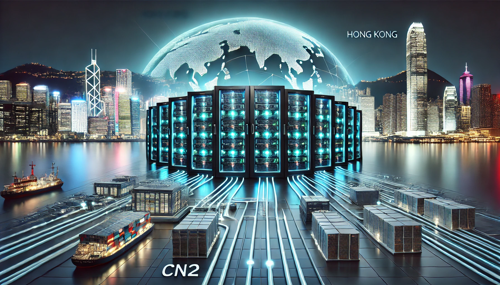
in thailand's computer room projects, common green energy-saving technologies include high-efficiency refrigeration and free cooling, direct liquid cooling, heat recovery and waste heat utilization, computer room energy efficiency management (dcim), ups and power distribution optimization, hybrid energy supply solutions combining renewable energy, etc.
high-efficiency cooling (such as cooling tower optimization, free cooling) and direct liquid cooling can significantly reduce cooling power consumption, especially for high-density racks. reasonable airflow management and thermal division configuration can help reduce the cooling station load and overall pue value, and improve system stability.
deploying dcim and real-time energy consumption monitoring enables fine-grained management of temperature, airflow and load. power distribution and ups efficiency optimization, power factor correction and modular redundancy design can reduce conversion losses, improve system utilization, and reduce long-term operation and maintenance energy consumption.
thailand has abundant solar resources. rooftop photovoltaics, distributed power generation and energy storage combined with ppa or microgrids can alleviate the pressure on the power grid and reduce carbon emissions. combining redundancy and demand response strategies to achieve smooth access and highly reliable operation of renewable power.
example calculation (for reference): assume 1 mw it load, pue=1.8 before transformation, and pue=1.3 after transformation. energy saving = 1 mw × (1.8-1.3) × 8760 h = 0.5 mw × 8760 h ≈ 4,380 mwh/year, accounting for approximately 27.8% of the total energy consumption. based on the example grid emission factor of 0.6 kgco2/kwh, approximately 2,628 tco2/year can be reduced. specific economic recovery needs to be evaluated on a case-by-case basis based on project capital expenditures and local electricity prices or energy consumption costs.
during implementation, load and heat map assessment should be prioritized, liquid cooling or free cooling technology should be piloted in stages, and dcim should be used to monitor and verify pue improvements. taking into account thailand's local climate, power consumption flexibility and regulatory requirements, we design an energy-saving solution that takes into account reliability and maintainability.
summary and suggestions: in the construction of computer rooms in thailand, systematic use of green technologies such as efficient refrigeration, liquid cooling, energy efficiency management and renewable energy can achieve significant reductions in energy consumption and carbon emissions. it is recommended that project parties use data-driven decision-making, implement in stages, combine local resources and policies, and monitor regularly to ensure maximization of long-term benefits.
- Latest articles
- How The Operations Team Monitors And Optimizes The Performance And Availability Of VNPs CN2 In Vietnam
- Detailed Guide On How To Achieve Low-latency Matches On The Infinite Rule + Thai Servers
- Analysis Of Stable And Affordable Server Configurations And Cost-effectiveness For Small And Medium-sized Enterprises In Malaysia
- Analysis Of The Advantages Of Choosing US Server Hosting For Enterprises In Cross-border Business
- Case Analysis Of The Types And Upgrade Paths Required By Different Industries For Hong Kong Server Clusters
- Choose And Recommend How US Cloud Server Nodes Evaluate Operator Quality And Bandwidth Stability
- Suggestions For Optimizing Latency For Genie Festival Taiwan Servers And Practical Experience On Stable Connections
- Merchant Announcements, Summary Of Thai Washing Machine Room Prices, Latest Promotions, And Package Descriptions
- Technical Advice On Optimizing Bandwidth Peak And Traffic Billing When Renting A Singapore Server
- How Do Home Users Rate Taiwan Telecom's CN2 Broadband? Overview Of Bandwidth Availability And Service Quality
- Popular tags
-

Why The Mobile Phone Cannot Connect To The Server When Used In Thailand
discuss the reasons why mobile phones cannot connect to the server when used in thailand, including network settings, device compatibility, etc. -
Revealing Thai Computer Room Fraud Cases And Avoiding Investment Traps
Expose Thai computer room fraud cases to help investors identify and avoid investment traps and ensure the safety of funds. -

The Latest Developments And Investment Advice On Thailand’s Second-hand Housing Market
this article explores the latest developments in thailand's second-hand mobile home market and provides professional investment advice.